Salt chlorine generators are often marketed as low-maintenance pool equipment. In reality, salt cells operate under constant chemical, electrical, and thermal stress, which directly impacts their lifespan.
Here are five things most pool owners never realize about how salt cells work — and why they often fail earlier than expected.
1. Salt Cells Are Designed to Wear Out
A salt cell does not fail because it is defective. It fails because chlorine production itself degrades the cell over time.
Each time the system runs, electricity converts salt into chlorine through an electrochemical process that:
- Generates heat
- Raises localized pH at the diodes
- Slowly erodes the electrode coating
Salt cells are consumable components, not permanent equipment.
2. Water Chemistry Inside the Cell Is More Extreme Than the Pool
Even when pool water tests within range, conditions inside the salt cell are far harsher.
Localized pH spikes, calcium scale formation, phosphates, water temperature, chlorine output percentage, and runtime all contribute to internal stress that compounds over time.
3. Heat Is a Major Contributor to Premature Failure
Heat comes from multiple sources:
- Electrical resistance during chlorine production
- Ambient temperatures at the equipment pad
- Trapped heat during off-cycles when water is not flowing
Prolonged heat exposure accelerates scaling and material fatigue — even when the system is idle.
4. Salt Cells Are Heavily Marked Up Before You Buy Them
Most pool owners are surprised to learn how replacement salt cells are priced.
By the time a salt cell reaches your door, it has passed through manufacturing, distribution, wholesale, and retail or service installation. Replacement costs commonly land between $1,000 and $1,500, even though salt cells are designed to wear out over time.
5. Everything in Your Pool Affects the Salt Cell
Salt cells do not operate in isolation.
Their lifespan is influenced by heater use, pool service practices, bather load, pets, run times, output settings, and seasonal temperature swings — even in well-maintained pools.
The Takeaway
Salt cells can fail early — it is the nature of water chemistry, heat, and chlorine production.
Understanding these forces allows pool owners to make smarter decisions about operation, maintenance, and protection.
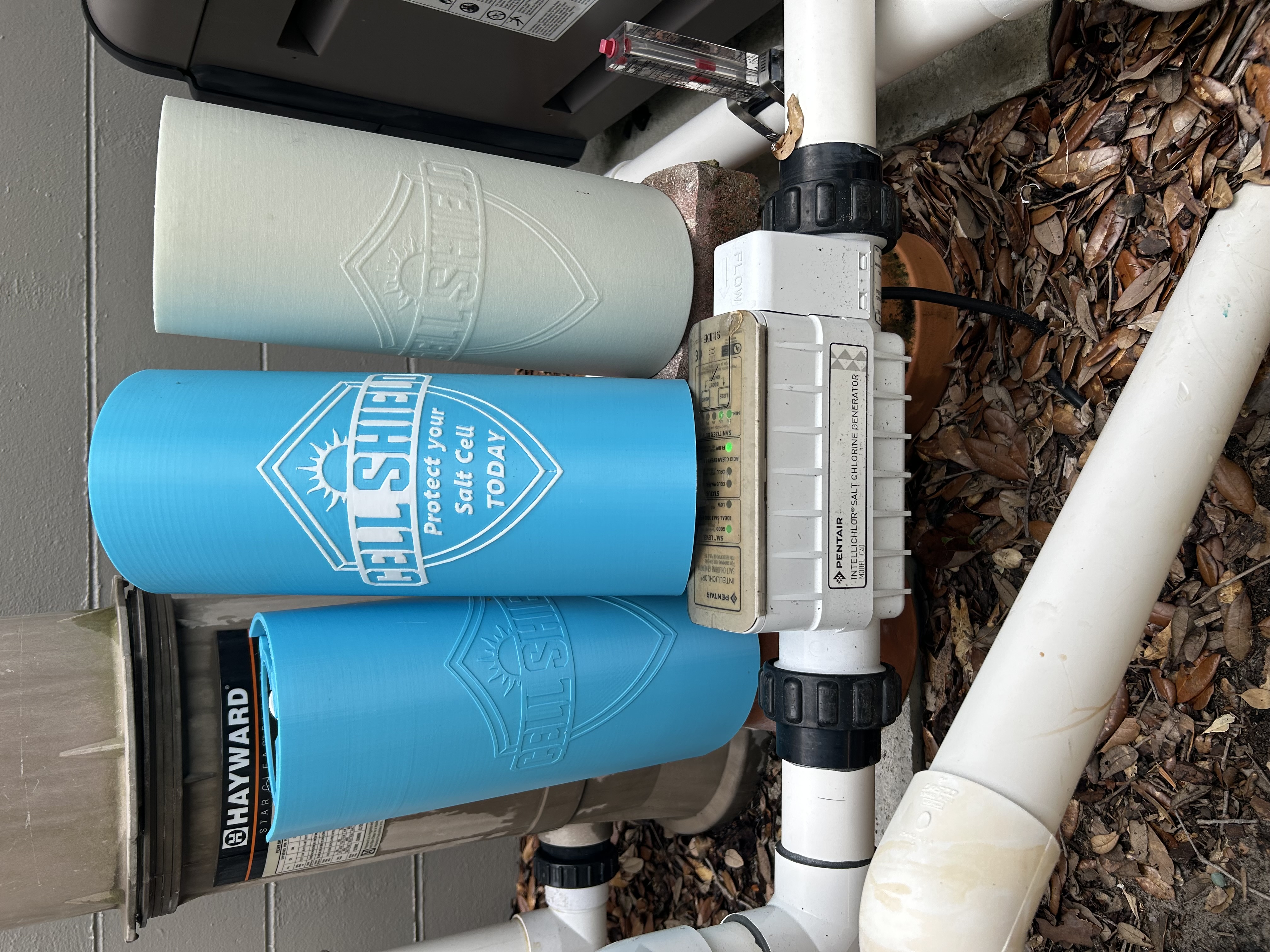
That's where Cell Shield comes in. By eliminating UV exposure and reducing heat during off-cycles, Cell Shield helps slow the conditions that quietly contribute to premature salt cell wear.
Protect Your Salt Cell Investment
Cell Shield eliminates UV exposure and reduces heat during off-cycles to help extend salt cell life. Salt cells cost approximately $1,250 to $1,500 to replace and can fail early. Protect your investment with Cell Shield.
Learn More About Cell Shield